
_edited.png)
Understanding the Impact of Geopolitics on Global Trade Dynamics
- Jun 24
- 4 min read
Global trade does not happen in a vacuum. It is deeply influenced by the shifting landscape of geopolitics, where the interests, conflicts, and alliances of nations shape the flow of goods, services, and capital. Understanding how geopolitical factors affect trade is essential for businesses, policymakers, and anyone interested in the global economy. This post explores the key ways geopolitics impacts global trade dynamics, with clear examples and practical insights.
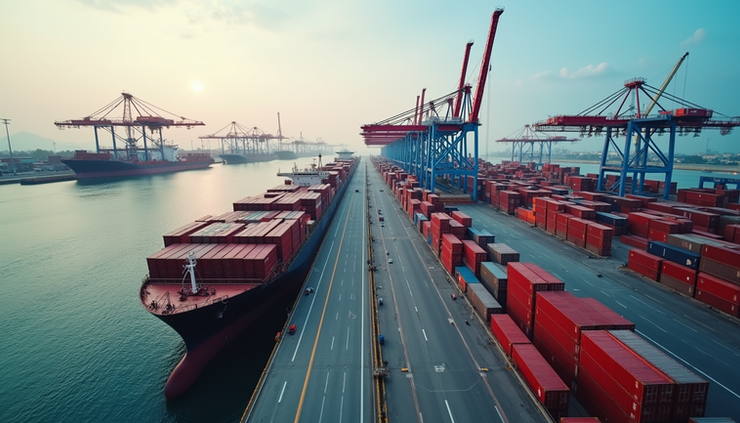
How Geopolitical Tensions Affect Trade Routes
Trade routes are the arteries of global commerce. When geopolitical tensions rise, these routes can become disrupted or rerouted, affecting delivery times, costs, and supply chain reliability.
Maritime chokepoints such as the Strait of Hormuz or the South China Sea are critical for oil and goods transport. Political conflicts or military presence in these areas can raise shipping insurance costs and cause delays.
For example, tensions between the US and Iran have repeatedly threatened the Strait of Hormuz, through which about 20% of the world’s petroleum passes. This uncertainty forces companies to seek alternative routes or stockpile supplies.
Land routes like the Belt and Road Initiative corridors also face risks from regional conflicts or diplomatic disputes, which can halt or slow down trade.
Understanding these vulnerabilities helps companies plan logistics and governments negotiate safer passage agreements.
Trade Policies as Tools of Geopolitical Strategy
Countries often use trade policies to advance their geopolitical goals. Tariffs, sanctions, and export controls can serve as economic weapons or bargaining chips.
The US-China trade war starting in 2018 illustrates how tariffs can be used to pressure a rival country. Both nations imposed tariffs on hundreds of billions of dollars worth of goods, disrupting supply chains and increasing costs for businesses and consumers worldwide.
Sanctions against countries like Russia, Iran, or North Korea aim to isolate them economically to influence political behavior. These sanctions limit access to markets and technology, forcing affected countries to seek alternative partners.
Export controls on sensitive technologies, such as semiconductors, reflect concerns about national security and technological dominance.
Trade policies are not just economic tools but also signals of geopolitical intentions that shape global trade patterns.
Alliances and Trade Blocs Influence Market Access
Geopolitical alliances often translate into trade agreements that open markets and reduce barriers among member countries.
The European Union (EU) is a prime example where political integration supports a single market with free movement of goods, services, capital, and people.
The Comprehensive and Progressive Agreement for Trans-Pacific Partnership (CPTPP) links countries across Asia-Pacific, promoting trade liberalization among members while excluding others like China.
Regional tensions can also lead to the formation of exclusive trade blocs, which may fragment global trade and create competing standards.
These alliances affect where companies invest, source materials, and sell products, shaping global trade flows.
Resource Control and Its Impact on Trade
Control over natural resources remains a major geopolitical factor influencing trade.
Countries rich in oil, gas, minerals, or rare earth elements hold significant leverage in global markets. For example, Russia’s role as a major natural gas supplier to Europe gives it geopolitical influence, as seen during disputes that led to supply cuts.
Resource nationalism, where countries restrict exports to protect domestic needs or increase revenues, can disrupt global supply chains. Indonesia’s ban on raw nickel exports to boost its domestic processing industry is one such case.
Competition for resources drives new trade routes and partnerships, such as African countries attracting Chinese investment for mining projects.
Resource control shapes not only trade volumes but also the geopolitical relationships between resource-rich and resource-dependent countries.
Technology and Geopolitics in Trade
Technology is increasingly a battleground in geopolitics, affecting trade in high-tech goods and services.
Restrictions on technology transfer and investment reflect concerns about intellectual property theft and national security.
The US government’s actions against Chinese tech companies like Huawei highlight how geopolitical rivalry influences access to technology markets.
Emerging technologies such as 5G, artificial intelligence, and quantum computing are central to future economic and military power, making their trade highly sensitive.
Trade in technology goods is tightly linked to geopolitical competition, influencing global supply chains and innovation ecosystems.
The Role of International Institutions and Agreements
International organizations and agreements aim to manage geopolitical tensions and facilitate trade.
The World Trade Organization (WTO) provides a platform for resolving trade disputes and setting rules, although its effectiveness is challenged by geopolitical rivalries.
Bilateral and multilateral trade agreements help reduce uncertainty and create predictable trade environments.
Diplomatic efforts to ease tensions, such as negotiations on nuclear programs or territorial disputes, indirectly support stable trade relations.
While geopolitics can disrupt trade, international cooperation offers mechanisms to mitigate risks and promote economic stability.
Practical Implications for Businesses and Policymakers
Understanding the geopolitical context is crucial for making informed decisions in global trade.
Risk assessment: Companies should monitor geopolitical developments that could affect supply chains, such as sanctions or conflicts near key trade routes.
Diversification: Relying on multiple suppliers and markets reduces vulnerability to geopolitical shocks.
Engagement: Businesses can engage with policymakers to advocate for stable trade policies and infrastructure investments.
Scenario planning: Preparing for different geopolitical outcomes helps maintain resilience.
Policymakers must balance national interests with the benefits of open trade, managing tensions without escalating conflicts that harm global commerce.


