
_edited.png)
The Impact of Mumbai Rains on Daily Life and Urban Infrastructure
- Jun 24
- 3 min read
Mumbai’s monsoon season is famous for its heavy rains that transform the cityscape and daily routines. While the rains bring relief from the scorching heat, they also create significant challenges for the city’s residents and infrastructure. Understanding how Mumbai’s rains affect daily life and urban systems reveals the resilience and struggles of this bustling metropolis.
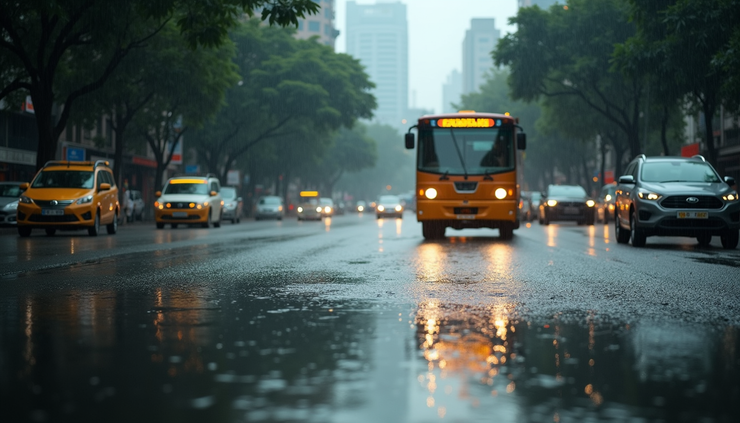
How Mumbai’s Climate Shapes the Monsoon Experience
Mumbai receives most of its annual rainfall between June and September. The city’s coastal location exposes it to the Arabian Sea monsoon winds, which bring intense downpours. On some days, rainfall can exceed 100 millimeters, causing rapid water accumulation.
The monsoon rains are vital for replenishing water reservoirs and supporting agriculture in surrounding regions. However, the volume and intensity of rain often overwhelm the city’s drainage systems, leading to waterlogging and flooding.
Effects on Daily Commuting and Transportation
One of the most immediate impacts of Mumbai rains is on transportation. Roads frequently flood, making travel slow and hazardous. Local trains, the lifeline for millions, often face delays or cancellations due to waterlogged tracks.
Road Traffic: Flooded streets cause traffic jams, forcing commuters to spend hours in transit. Many areas become inaccessible, disrupting work and school schedules.
Public Transport: Trains and buses experience overcrowding as people avoid walking or using two-wheelers in heavy rain.
Safety Concerns: Slippery roads and reduced visibility increase the risk of accidents. Pedestrians face challenges crossing waterlogged areas.
For example, in July 2019, Mumbai experienced record rainfall that submerged key roads and halted train services for several hours. This event highlighted the vulnerability of the city’s transport infrastructure during peak monsoon.
Impact on Urban Infrastructure and Services
Mumbai’s infrastructure faces severe stress during heavy rains. The city’s drainage system, designed decades ago, struggles to cope with the increasing rainfall and urban growth.
Drainage and Sewage: Blocked drains and inadequate sewage capacity lead to water stagnation, which can last for days in some neighborhoods.
Electricity Supply: Waterlogging often causes short circuits and power outages, affecting homes and businesses.
Buildings and Roads: Prolonged exposure to water damages roads, causing potholes and cracks. Older buildings may suffer leaks or structural issues.
The 2005 floods in Mumbai serve as a stark example of infrastructure failure during extreme rains. Over 900 millimeters of rain in 24 hours paralyzed the city, causing widespread damage and loss of life.
Effects on Health and Sanitation
Flooding and stagnant water create health risks for Mumbai’s population. Waterborne diseases such as dengue, malaria, and leptospirosis tend to spike during and after heavy rains.
Contaminated Water: Floodwaters mix with sewage, contaminating drinking water sources.
Mosquito Breeding: Stagnant water provides breeding grounds for mosquitoes, increasing the risk of vector-borne diseases.
Access to Healthcare: Flooded roads and transport disruptions make it difficult for people to reach medical facilities.
Local health authorities often launch awareness campaigns and vaccination drives during monsoon to mitigate these risks.
Economic Consequences of Monsoon Disruptions
The rains affect Mumbai’s economy in multiple ways. Delays in transportation reduce productivity as workers struggle to reach offices or factories. Small businesses, especially street vendors, face losses when foot traffic declines due to bad weather.
Supply Chain Interruptions: Flooded roads delay delivery of goods, impacting retail and manufacturing sectors.
Property Damage: Water damage to homes and commercial properties leads to costly repairs.
Tourism Impact: Heavy rains discourage tourists, affecting hotels and related services.
Despite these challenges, many sectors adapt by planning for monsoon conditions, such as scheduling flexible work hours or investing in flood-resistant infrastructure.
Community and Government Responses
Residents and authorities have developed strategies to cope with monsoon challenges. Community groups often organize clean-up drives to clear drains and reduce waterlogging. The government invests in infrastructure upgrades, such as widening drains and improving stormwater management.
Early Warning Systems: Weather forecasts and alerts help people prepare for heavy rains.
Monsoon Preparedness Plans: Municipal corporations deploy emergency teams to manage flooding and restore services quickly.
Public Awareness: Campaigns encourage citizens to avoid littering and maintain drainage channels.
Despite these efforts, rapid urbanization and climate change continue to test Mumbai’s resilience.
The Role of Urban Planning in Managing Monsoon Impact
Long-term solutions require better urban planning that accounts for Mumbai’s unique monsoon challenges. This includes:
Improved Drainage Design: Expanding and modernizing drainage networks to handle higher rainfall volumes.
Green Spaces: Increasing parks and permeable surfaces to absorb rainwater and reduce runoff.
Building Regulations: Enforcing construction standards that prevent waterlogging and structural damage.
Public Transport Upgrades: Enhancing rail and bus infrastructure to withstand monsoon disruptions.
Cities like Mumbai must balance growth with sustainable water management to reduce future risks.


